Blank Line
Efficacy Assessment
Our microbiology services include efficacy assessment: an important evaluation for any product with an antimicrobial function in order to optimize product performance and support bactericidal and fungicidal product claims. Our expertise can support you at all stages of the design, trial and manufacturing process for coatings, packaging, textiles, industrial surface disinfectants, cosmetics and other healthcare products.
Blank Line
Fungal Tests of Products and Materials
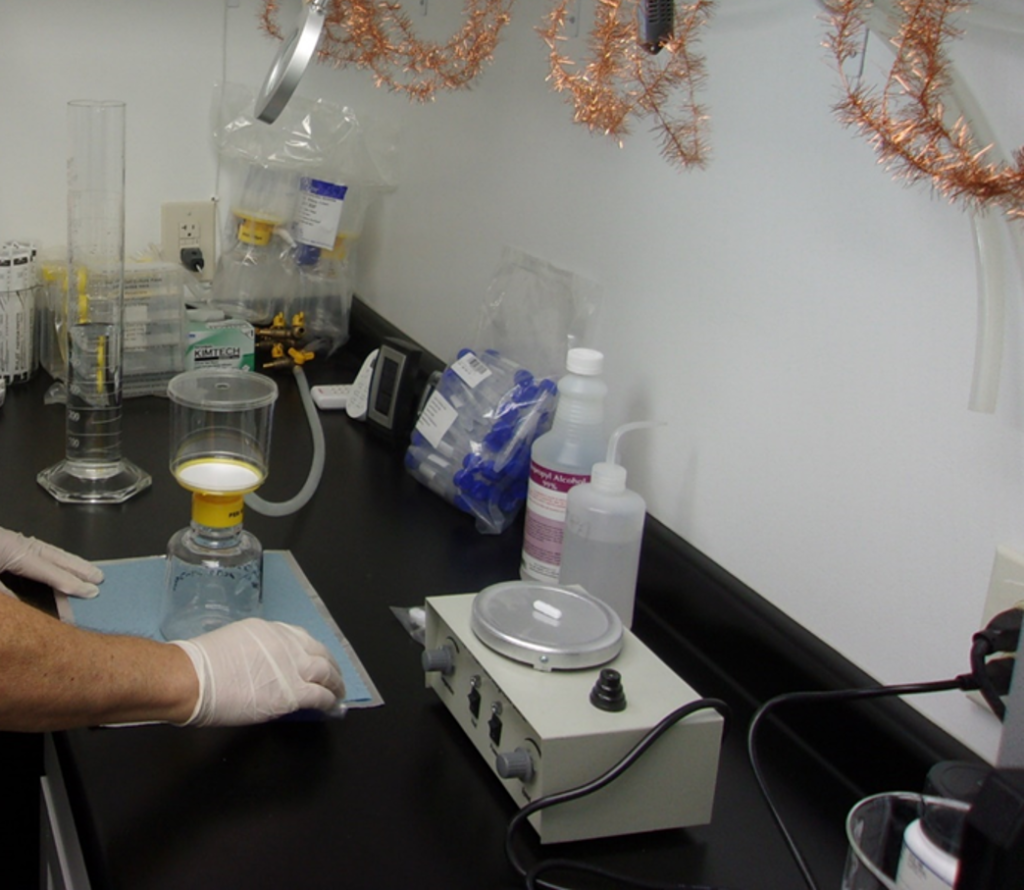
Several test methods have been developed to ensure the safety and efficacy of products which are routinely exposed to molds and fungi. Reddwall Solutions is able to offer testing methods which can determine the efficacy of the antimicrobial coating you have available against a wide variety of pathogens for fungal degradation, such as Escherichia coli and Staphylococcus aureus.
Blank Line
What Is Zone Of Inhibition (ZoI) Testing and What Products Need ZoI Testing?
An antimicrobial agent’s potency can be proven by its inhibitory effect on microorganisms. Antimicrobial growth reduction is often assayed using a microbiological Zone of Inhibition test, as chemical methods can be unreliable. The exception is liquids, gels, and ointments containing preservatives which should be examined using Preservative Efficacy Testing (PET). USP 81 specifies two methods for zone of inhibition testing: the plate assay, which is offered by Reddwall Solutions in a modified form, and the tube assay, which we do not offer.

Blank Line
How Is A Zone Of Inhibition Test Performed?
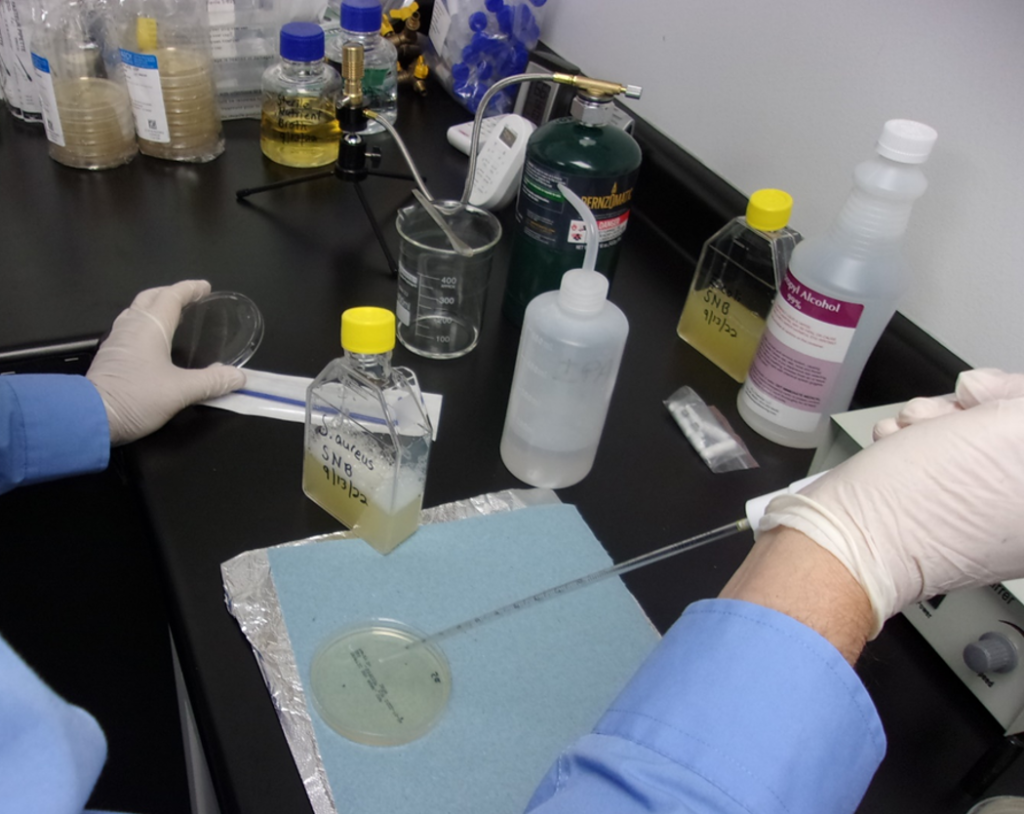
Modified USP 81 Plate testing places a certain amount of antimicrobial agent (antifungal or antibacterial) into preconfigured wells within an agar gel plate, containing a microbe of known concentration and type. These wells effectively retain any antimicrobial agent that may be present within or attached to the material, with the sidewalls effectively trapping the antimicrobial concentrate within a specific area. As the agent diffuses into the agar, a measurable “zone” around the well is created, indicating microbial growth was prevented.

The basic materials required for plate testing are disposable Petri dishes with lids, appropriately sized aliquots of the applicable antimicrobial product(s) being analyzed and fresh agar for capping the wells once filled with antimicrobial product. Next, test microorganisms are prepared from a freshly grown culture, with the most common organisms used for Zone of Inhibition assessment, consisting of Staphylococcus aureus and Staphylococcus epidermidis. The cultured microorganisms are plated onto the entire surface of the agar plate undergoing testing. Plates are then incubated until growth is apparent after which each Zone of Inhibition diameter is measured to the nearest 0.1 mm and recorded.
Blank Line
How Are Plate Test Results Assessed?
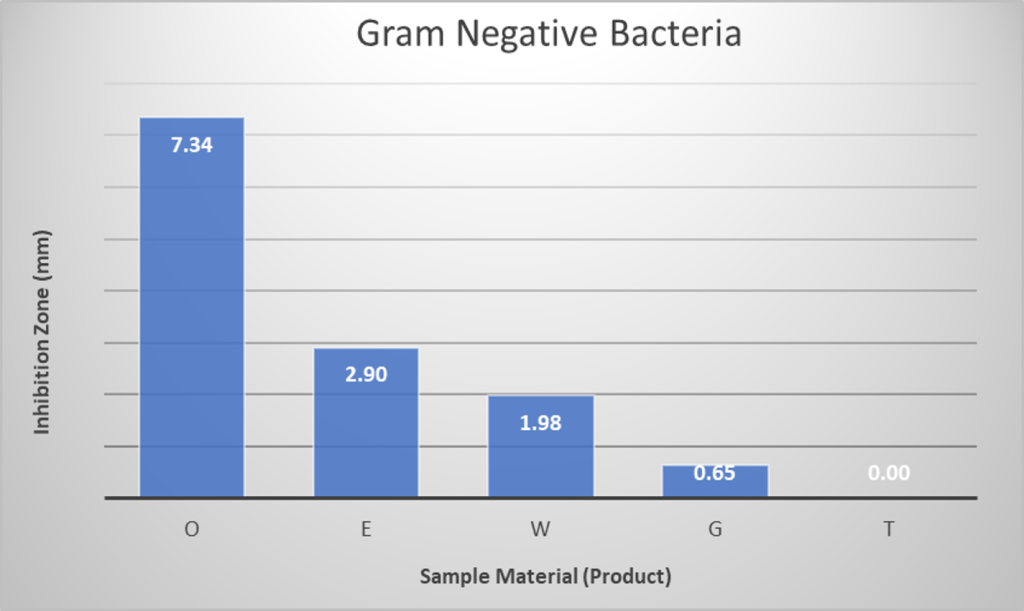
Zone of Inhibition measurements are surface area values quantifying the surface area within which an anti-microbial agent inhibited bacterial growth. Depending upon study type, the Zone of Inhibition measurements can be used to estimate the antimicrobial potency compared to a competitive product or known blank. To facilitate this testing, a quantitative analysis of the average Zone of Inhibition diameters is laid out in a graphical presentation.
Blank Line
Summary

Overall, Zone of Inhibition testing is a type of microbiology test that assesses the potency of antimicrobial agents. These antimicrobial agents may be assessed alone, combined within a material, or present as a product coating. The use of plate assays for Zone of Inhibition testing has been described herein with each assay measuring the efficacy of a known quantity of product material containing antimicrobial agent(s) (antifungal or antibacterial) and a series of pre-sized wells drilled into the agar gel plate containing the microbe of known concentration and type. For antimicrobial agents not attached to a material, the well design specified herein is used to keep the microbial concentrate within a specific area. As the antimicrobial agent diffuses into the agar, a measurable “zone” around the cylinder is created, indicating microbial growth was prevented. All in all, our services ensure that you receive the appropriate microbiology analysis and that the Zone of Inhibition testing results you receive are applicable to your product needs.