Castings, PA – Case Study
This report contains the results of an on and off-site Occupational, Environmental, Health and Safety (OEHS) Assessment conducted by Reddwall Solutions (RWS) of Castings PA facilities, located at 4099 William Penn Highway, Monroeville, PA.
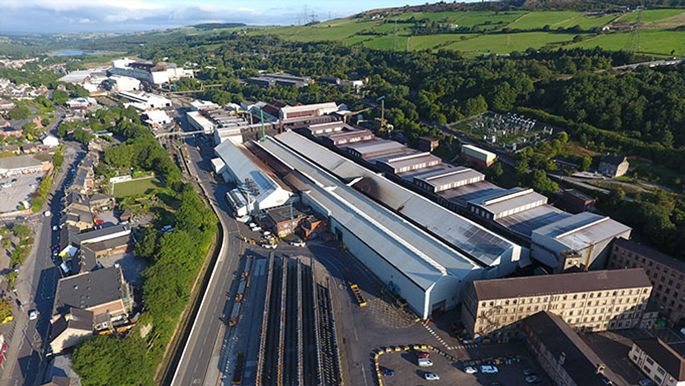
The Castings PA complex consists of approximately 21 buildings and operations, include manufacturing of high temperature alloy castings used in industries such as petrochemical, steel, industrial furnaces, treating, and valve and pump manufacturing. Dirty Camp Run Creek lies on the western boundary of the property and ultimately flows through Turtle Creek to the Monongahela River.
The facility SIC code is 3325 (Steel Foundries) and the NAICS code is 331513 (Steel Foundries – Except Investment). Approximately 150 employees work at the facility, comprised of about 50 salaried and 100 hourly employees. The hourly employees are members of the United Steel Workers union
IH & OEHS Programs Lifecycle

The OEHS systems and programs were evaluated during the period July 30 – August 2, 2020, using a comprehensive OEHS protocol developed by Reddwall Solutions. This protocol, combined with supplemented facility inspections, document reviews, discussions, and interviews with key personnel knowledgeable in Castings PA EHS programs, make up the core basis for this report. Taken as a whole, this data reflects our assessment of the broad range of programs in place at the time of this assessment and offers an accurate perspective of overall EHS performance and risk.
The assessment team was comprised of Donald Ewert and John Lease of RWS. Site activities included an opening meeting, multiple facility tours, interviews, discussions with employees, and a review of existing OEHS program documentation, site drawings, and other relevant information. A closeout meeting was also held with facility management where we offered a preliminary summary of the major assessment findings presented herein.
The assessment results are presented by major program areas and include a numerical rating for specific program elements (% conformance with expectations), as well as discussion of opportunities and recommendations for improvement for those programs that lacked full conformance. Program areas that were assessed included the following:
- Health and Safety Program Elements (29 CFR H&S)
- Environmental Program Elements (40 CFR ENV)
- EHS Management Systems (EHS MS)
Health & Safety Program Auditing

Detailed assessment ratings, observations, and recommendations are contained in the assessment spreadsheet (Attachment 1). The ratings regimen used was as follows:
0 – Procedure or process does not exist in a formal or informal state
1 – Procedure or process is in place; but it is not well documented or fully implemented
2 – Procedure or process is in place; is well documented and fully implemented
NA – Element is Not Applicable to facility operations
The spreadsheet also contains sections for entering the Improvement Plan (corrective actions), defining the target dates for implementation of the Improvement Plan, and updates on progress toward completion of corrective actions. These sections are intended to be completed by Castings PA facility personnel to document their plan(s) for addressing identified gaps, and to manage the corrective action process.
Executive Summary
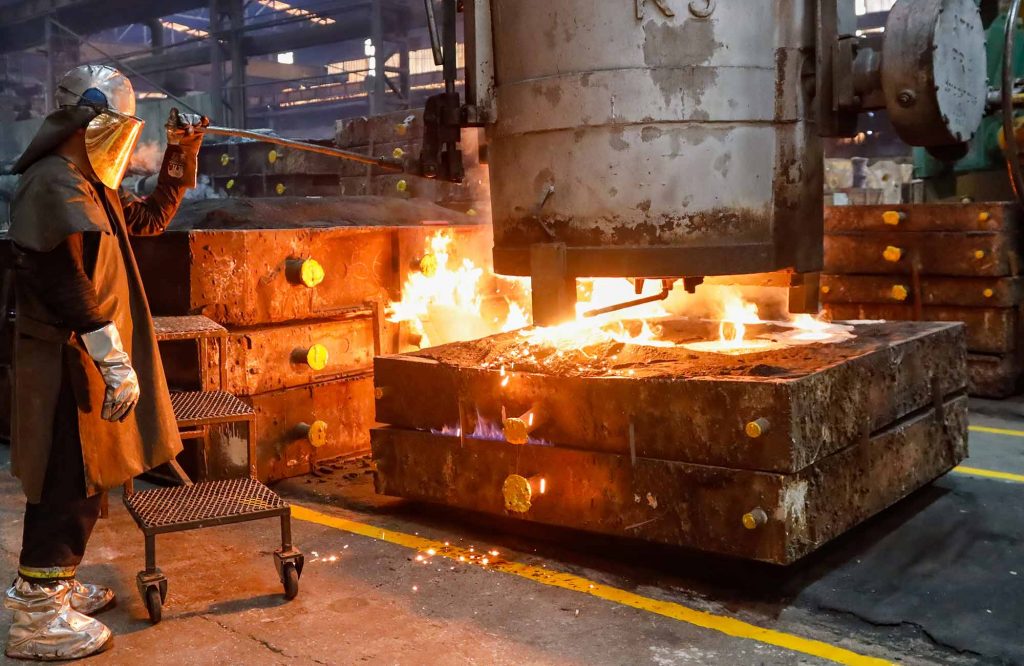
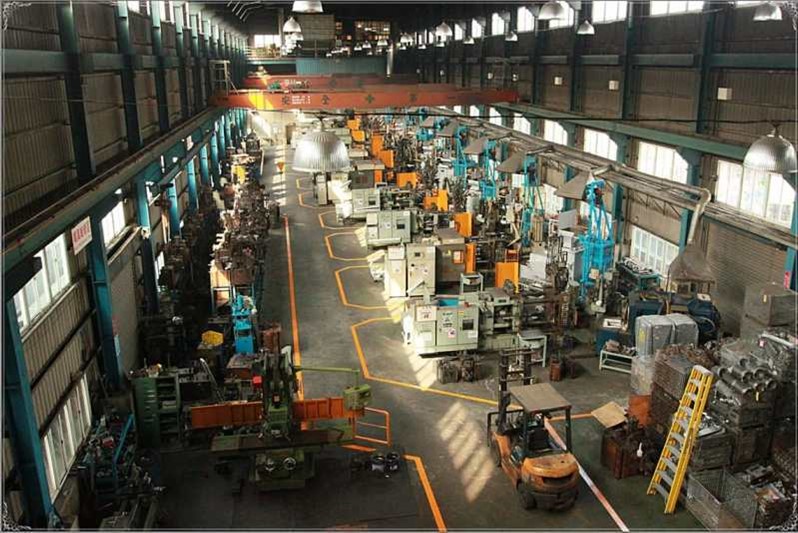
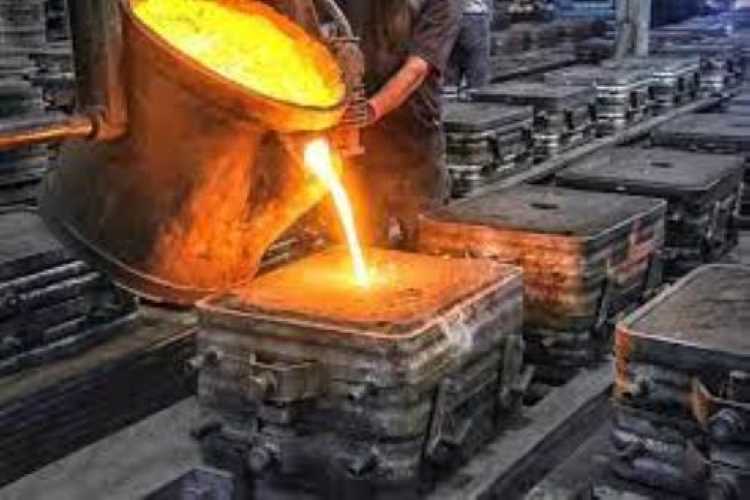
The operations of Castings PA are composed of metal casting and fabricating processes for production of steel alloy castings and includes: melting furnaces, casting pits, sand molds, grinding, welding, scrap recycling, and waste sand handling. The facility is subject to most provisions of federal and state environmental regulations. Castings PA has a State Only air permit issued by the PA DEP; a general stormwater permit, and an industrial / sanitary wastewater discharge agreement with the Monroeville Municipal Authority (MMU). Castings PA does not generate hazardous waste and disposes of municipal and PA residual wastes in local, licensed landfills. Overall compliance with the facility’s environmental requirements was found to be satisfactory, however, deficiencies were noted in the stormwater and TSCA programs.
The facility is subject to numerous provisions of U.S. OSHA rules including recordkeeping and reporting, occupational health, molten metal safety, toxic and hazardous substances, confined spaces, mobile equipment, fall protection, machine guarding and emergency planning. Deficiencies were noted in several H&S program areas, with the major issues related to the need for implementation of a respirable silica program and development of a confined space program.
Castings PA has an informal EHS management system that is not well documented. Responsibilities for conformance with facility EHS requirements and program implementation reside primarily with the General Manager. Because of deep institutional knowledge of Casting PA operations, coupled with support from outside EHS expert consultants, this management structure meets the facility’s primary EHS requirements at this time. However, the sustainability and effectiveness of the system will be tested if this resource were to become unavailable.
As with many heavy industrial facilities, the EHS risk at Castings PA ranges from moderate to high. Process operations presenting high H&S risk include molten metal handling, confined spaces, and potential silica employee exposures. Environmental risks were primarily regulatory in nature and include maintaining conformance with best management practices as specified in the current stormwater management program.
Major findings related to the areas of risk and regulatory non-conformance presented above are further detailed below:
IH & OEHS Programs Auditing
29 CFR 1910.94-98 Occupational Health and Environmental Control (Subpart G)
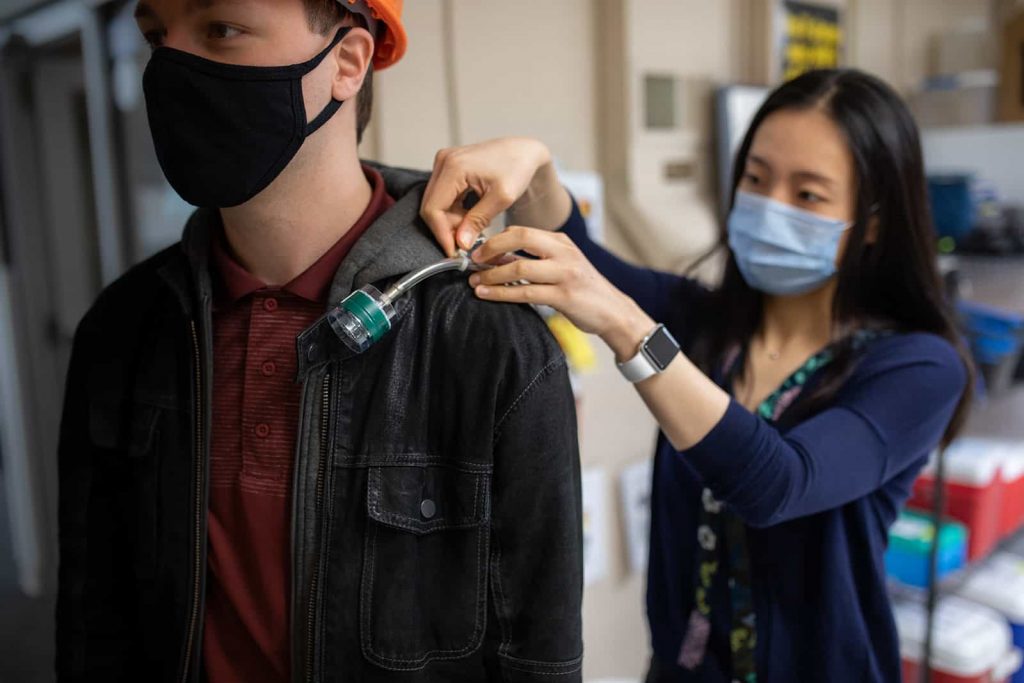
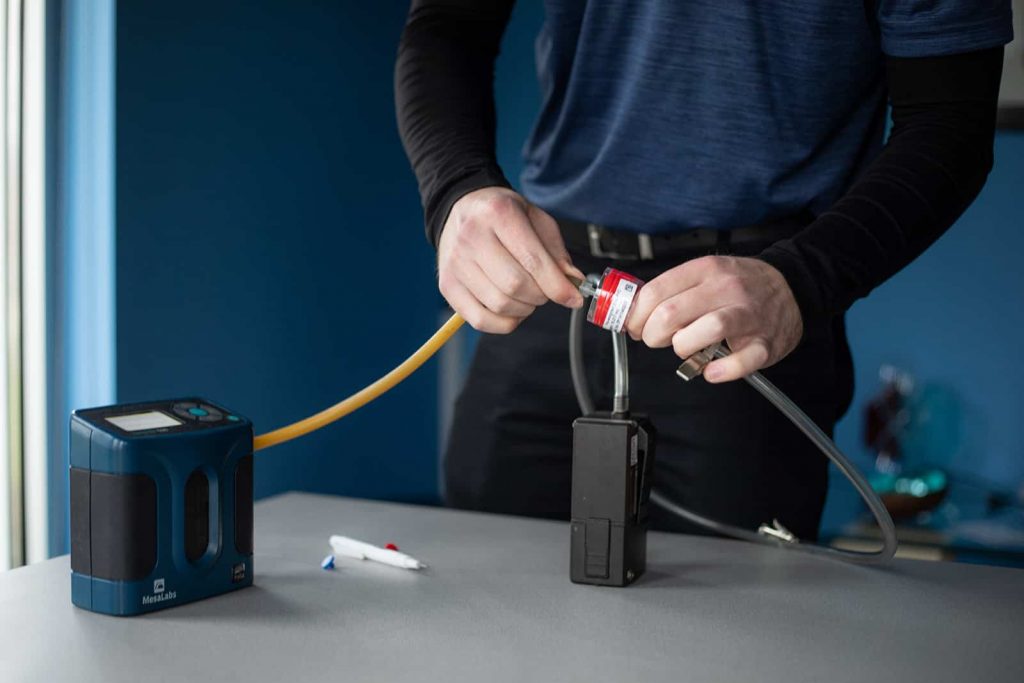
Industrial hygiene (IH) monitoring for respirable silica was not sufficient to characterize potential exposures in process areas as defined in the OSHA silica rule, effective on 6/23/18 (29CFR 1910.1053). Two out of four personal samples collected on molders in 2015 showed exposures of respirable silica above the action level and the PEL, but no follow up action had been taken to further verify these exposures or implement required actions as specified in the OSHA Silica Rule when the action level or PEL was exceeded. Other operational areas at the facility were observed to have significant potential worker exposure to respirable silica, but no IH monitoring for silica has been conducted in these areas.
Recommended Actions:
- Implement a comprehensive IH monitoring program at the facility for respirable silica that meets the requirements specified in the OSHA silica rule, and implement all required actions contained in the rule for workers exposed to respirable silica above the action level (25 µg/m3) and / or the PEL (50 µg/m3).
See Attachment (OSHA’s Respirable Crystalline Silica Standard for General Industry and Maritime) for more detailed information on the OSHA silica rule requirements.
29 CFR 1910.141-147 General Environmental Controls (Subpart J)
The facility has several confined spaces (pits, sumps, and baghouse systems) however, these have not been classified as confined spaces. Interviews during the assessment confirmed that employees routinely enter these confined spaces as part of production and/or maintenance practices, however atmospheric testing in these confined spaces is not completed, nor is there a confined rescue plan in place prior to entering these areas. A written confined space program is mandated by OSHA under these conditions however, the program was not in place at the time of our assessment.
Recommended Actions:
- Compile a complete list of confined spaces at the facility.
- Develop and implement a written confined space program which meets all requirements specified by OSHA.
IH & OEHS Program Auditing
40 CFR 122 (NPDES) – Stormwater
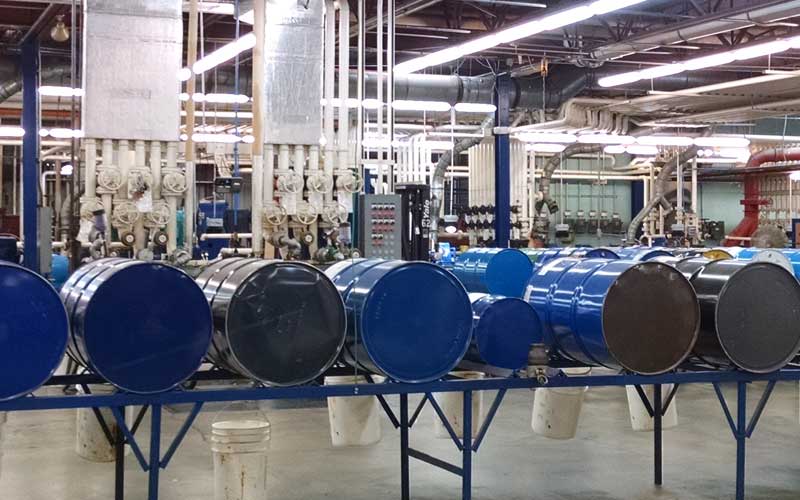
Based on site inspections conducted during this assessment, there were several Best Management Practices (BMP) issues noted related to the Stormwater permit and representing non-conformance with permit conditions. These include the presence of spilled chemicals from 4 drums exposed to stormwater, chemical totes stored outside without secondary containment, miscellaneous sources of accumulated stormwater in open drums across the site, and leakage from a cooling tower that was accessing a stormwater inlet. There were also several point source (fugitive) discharges of stormwater that were exiting the site via eroded gullies along the property fence line adjacent to Dirty Camp Run Creek.
Recommended Actions:
- Perform a detailed site stormwater inspection to identify all issues that represent non-conformance with the specified BMP’s and conditions in the stormwater permit. Correct all deficiencies noted and implement procedures to ensure that these conditions do not reoccur.
These major findings were discussed with Castings PA management at the closeout meeting and prompt action to implement the specified corrective actions was recommended. Additional findings and overall ratings for major EHS program elements are detailed in the assessment spreadsheet, along with our recommendations for corrective action.

Major Program Ratings and Key Findings
Health and Safety Program Elements (29 CFR H&S)
This section of the assessment focused primarily on regulatory requirements as specified under the U.S. Occupational Safety and Health Administration (OSHA) for industry.
- Overall Category Assessment Rating
- For those elements in this category that were considered applicable to Castings PA, the overall rating was 75% conformance with expectations. Please refer to the assessment spreadsheet (Attachment 1) for further detail and recommended actions on specific elements.
- Key findings and recommendations for corrective actions
Castings PA has programs and procedures in place that satisfactorily meet the primary health and safety requirements and risks at the facility. The use of external technical health and safety resources to supplement on-site staff for the development of H&S programs, IH sampling, and training is effective and should continue. Opportunities for improvement were identified in the following program areas (defined as achieving <70% conformance with requirements):
- 29 CFR 1910.34-39 Exit Routes and Emergency Planning (Subpart E)
- 29 CFR 1910.94-98 Occupational Health and Environmental Control (Subpart G)
- 29 CFR 1910.9 and 132-140 Personal Protective Equipment (Subpart I)
- 29 CFR 1910.1000-1450 Toxic and Hazardous Substances (Subpart Z)
Please refer to the assessment spreadsheet (Attachment 1) for a more detailed discussion and description of identified gaps and corrective action recommendations.
Environmental Program Elements (40 CFR ENV)
This section of the assessment focused on applicable environmental regulations for Castings PA. Based on its operations and impacts, Castings PA is subject to most environmental regulations under US EPA and PA DEP.
- Overall Category Assessment Rating
- For those elements within this category, considered applicable to Castings PA, the overall rating was 84% conformance with expectations. Please refer to the assessment spreadsheet (Attachment 1) for further detail and recommended actions on specific elements.
- Key findings and recommendation for corrective actions
Non-conformance with applicable environmental regulations was noted in the wastewater and stormwater discharge programs along with specific requirements under TSCA related to allegation reporting. More detailed characterization of industrial discharges, while minor in volume, are needed to verify compliance with the local municipal authority discharge limits. For stormwater, our site inspection noted issues with storage of raw materials, drums, and containers, as well as fugitive discharges exiting the site along the southern fence line.
TSCA 8c regulations require manufacturers, importers and processors of chemical substances or mixtures to maintain records of significant adverse reactions to health or the environment that are alleged to be caused by the substance or mixture, or alleged to be associated with its manufacture, processing, or distribution. Allegations that must be recorded include any statement of belief made by any person regarding a link between a particular company’s product, process or emission and a significant adverse health or environmental effect. Castings PA did not have a procedure in place for recording or follow up involving these allegations, therefore, a formal TSCA Allegation procedure needs to be developed, communicated, and implemented. See Attachment (Section 8(c) Recordkeeping Requirement Concerning Alleged Adverse Health or Environmental Effects) for further guidance.
IH & OEHS Programs Auditing
EHS Management Systems (EHS MS)
This section of the assessment deals primarily with broad program elements comprising the EHS Management System. Components of Casting PA EHS MS were evaluated against EHS MS elements common to international EHS MS standards, such as ISO 45001, 14001, and OHSAS 18001.
- Overall Category Assessment Rating
- For elements in this section considered applicable to Castings PA, the rating was 76%. Please refer to the assessment spreadsheet (Attachment 1) for further detail and recommended actions involving these applicable elements.
- Key findings and recommendations for corrective actions
International EHS MS standards are prescriptive, but typically follow the structure and content for other disciplines, such as Quality (ISO 9001). All these systems have their roots in the Plan, Do, Check, Act Cycle. Castings PA does not have a formal written EHS MS in place. Rather, components of its EHS programs are aligned and linked via an informal format similar to the structure of a generalized management system. The knowledge and experience embedded in the senior management team holds this informal system together and keeps it functional.
While the informal management system currently in place is serving Castings PA EHS programs satisfactorily, the current management system does not conform with international EHS MS standards and expectations. Also, sustaining the current system would be a challenge in the absence of Castings PA current senior management team, as it relies heavily on the knowledge and experience of current senior management representatives.
Areas cited for improvement within the Castings PA EHS MS include development of a formal EHS Policy for Castings PA, broader and more structured delegation of EHS responsibilities within the Castings PA organization with assigned accountabilities for responsible individuals, and a more thorough assessment and documentation of EHS impacts and risks posed by the facility coupled with procedures and systems to control these impacts and risks. On advantage of making these changes is that a structured, certified EHS MS which conforms to international standards will likely be a baseline requirement for companies and their suppliers, customers, and stakeholders in the not too distant future.
IH & OEHS Programs Auditing
Conclusions & Recommendations
The overall EHS assessment rating for Castings PA of 78% indicates that this facility is meeting its primary EHS requirements in a satisfactory manner. As with many heavy industrial facilities, EHS risks at Castings PA range from moderate to high. Facility operations involve the fabrication of silica sand molds, metal alloy melting and casting, fabrication and assembly of products, mobile equipment operation, overhead cranes and lifts, as well as maintenance support activities. It is common for facilities such as Castings PA to exhibit some gaps in specific program areas due to the multitude of risks that exist. The challenge is to constantly monitor and evaluate these workplace risks, and where unacceptable conditions are found, to implement specific procedures and systems designed to mitigate the risks.
Castings PA has established a consistently solid record for environmental compliance, and the assessment results support this record. In the health and safety discipline, Castings PA injury rates have tracked below those of the general foundry industry, and a solid program is in place for management of workplace injuries.
Specific EHS program gaps and non-conformance issues were found, but with exception for non-conformance with the OSHA silica rule, no major issues related to broad undefined or unknown risks, missing regulatory permits or authorizations was found. The overall knowledge and understanding of the facility’s EHS requirements exhibited by facility personnel was sound with fundamental knowledge and diligence exhibited by senior management staff, not only ensuring the safe and lawful operation of the facility, but also contributing significantly to this performance.
As noted earlier in this report, Castings PA has not progressed satisfactorily with regard to conformance with OSHA’s respirable silica rule, which became effective on June 23, 2018 – addressing this gap should be a priority. There were two (2) workplace exposure test results for respirable silica from 2015 which should have triggered follow up monitoring and/or workplace modifications. Follow up actions to be taken where respirable silica levels exceed the Action Limit or PEL are prescriptive in the regulations, and Castings PA should act quickly to implement these actions.

